

Studying Spanish in Mexico: Practical Information & Safety Tips
If you’re planning a Spanish immersion in Mexico—whether in Cuernavaca, Mérida or elsewhere—you probably have practical questions your travel agent will not answer.
Is the water safe? How do you pay for things? What happens if your phone dies while you are out?
This guide covers the details that can make the difference between a smooth stay and a frustrating one, together with a realistic look at safety.
Is Mexico safe? An honest answer
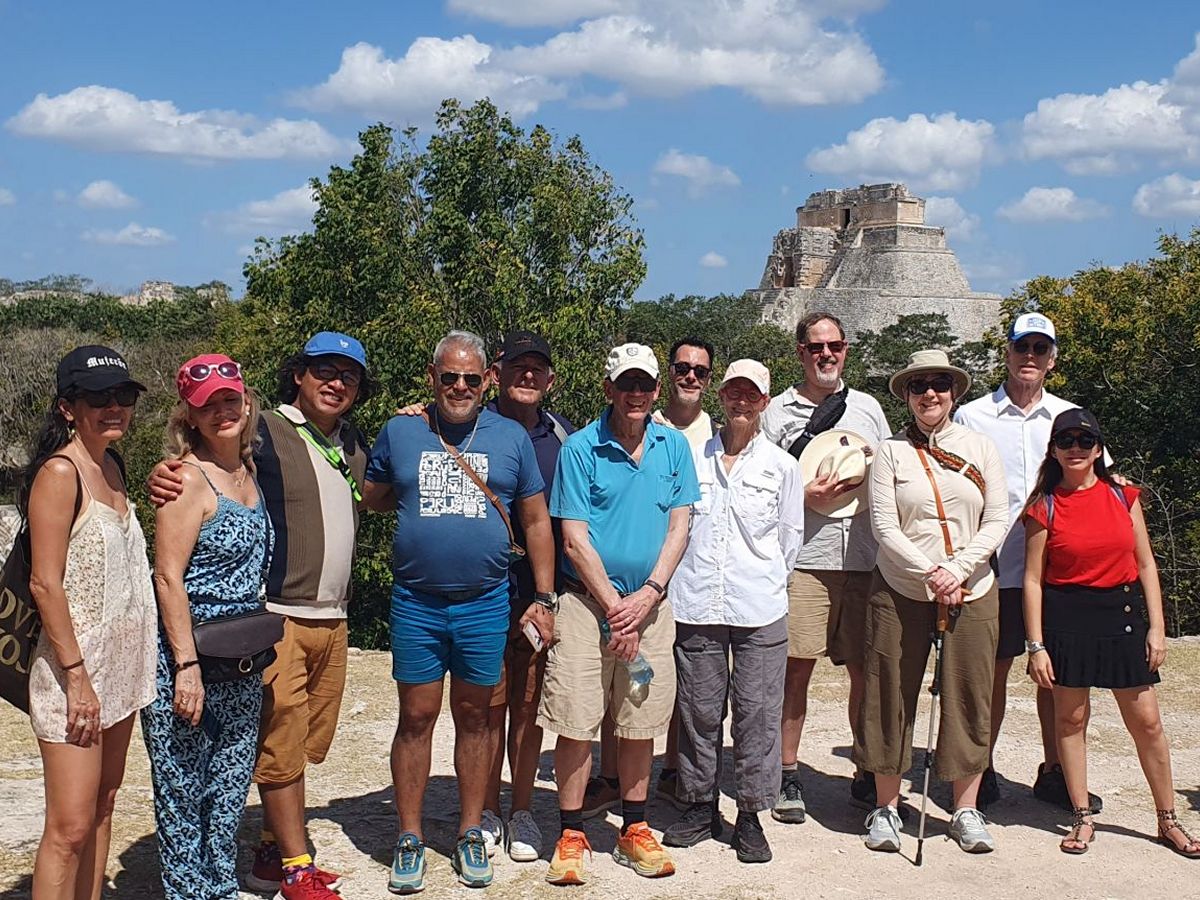
Mexico’s safety reputation abroad is often shaped by national headlines that do not reflect the daily reality of every place where language students live. The country is enormous, and conditions vary considerably by state, city and neighborhood. That is why current, destination-specific advice matters more than generalizations about the country as a whole.
Cuernavaca and Mérida are established cities where families, students and professionals go about their daily lives. Visitors should nevertheless take ordinary urban precautions, particularly against opportunistic theft such as pickpocketing, phone-snatching and unattended-bag theft. Treat an unfamiliar Mexican city with awareness rather than fear, follow local advice and review your government’s current travel guidance before departure.
Practical safety tips that actually matter
Use ride-hailing apps or authorized taxis. Where available, apps such as Uber or DiDi provide a trip record and driver details. At airports and bus terminals, use an authorized taxi booth or a transfer arranged in advance.
Keep your phone low-key. Avoid standing near the curb while looking at your screen, and do not leave your phone on a restaurant table near an open door or window.
Carry only what you need. Leave your passport and backup cards securely stored, carry limited cash, and never resist if confronted over belongings.
Trust current local advice. Ask your host or our local team which routes and neighborhoods are appropriate, especially after dark.
Watch your drinks. Accept drinks only from staff, keep your glass with you and drink responsibly.
Save emergency details. Mexico’s national emergency number is 911. Keep your accommodation address and insurance assistance number available offline.
Phone, internet and staying connected
Prepaid SIM cards are sold at mobile-phone shops and many convenience stores. Telcel, AT&T México and Movistar offer prepaid plans; coverage varies by location, so ask your host or our team which network works best where you will stay. If your phone supports eSIM, compare activation and coverage before departure.
Wi-Fi is common in accommodation, cafés, schools and shopping centers. WhatsApp is widely used in Mexico for everyday communication, appointments and deliveries, so installing it before you travel is practical. Download offline maps and save your accommodation address before setting out.
Money: pesos, cards and ATMs
Mexico’s currency is the Mexican peso (MXN). Credit and debit cards are widely accepted in cities, but cash remains useful for tips, local markets, small shops and some transportation.
ATMs:
use machines inside banks, supermarkets or shopping centers. Check the displayed fee and exchange rate before confirming a withdrawal.
Currency conversion:
if a card terminal or ATM offers to charge you in your home currency, your bank’s conversion is often better. Compare the options before accepting.
Cash exchange:
compare rates at reputable casas de cambio; airport counters are convenient but may be less competitive.
Tipping:
10–15% is customary in restaurants when service is not included. Check the bill for “propina” before adding it.
Planning figure:
outside your program fees, approximately MXN 500–800 per day may cover modest meals, local transportation and extras, depending on your habits and destination. Prices change, so treat this as a starting point rather than a fixed budget.
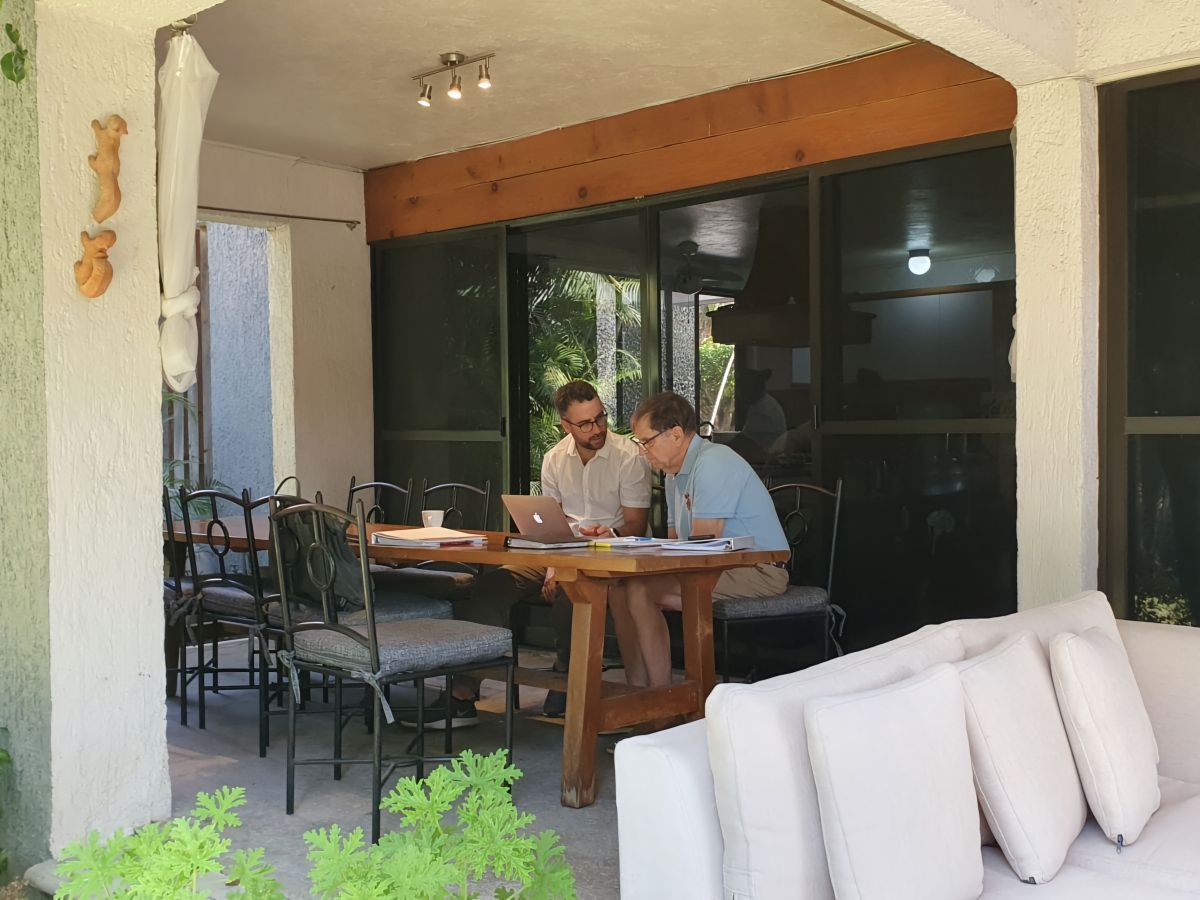
One-on-one Spanish class at ANDERS LANGUAGES in Cuernavaca, Mexico.
Water, food and health
Visitors should normally drink purified, bottled or properly filtered water rather than untreated tap water. Homes, schools and restaurants commonly use large purified-water bottles called garrafones or certified filtration systems. Ice from reputable restaurants and hotels is generally made with purified water.
Street food can be one of the highlights of Mexico. Choose busy stalls where food is cooked thoroughly and served hot, observe how ingredients are handled, and introduce unfamiliar or very spicy foods gradually.
Pharmacies are easy to find, but rules vary by medicine. Antibiotics require a prescription in Mexico. Bring enough of your regular medication in its original labeled packaging, together with a copy of your prescription, and consult a qualified medical professional when necessary.
Altitude: Mexico City sits at approximately 2,240 meters above sea level, while Cuernavaca is around 1,500 meters and Mérida is close to sea level. If you arrive at altitude, hydrate, rest and limit alcohol during your first day or two.
Electricity and plugs
Mexico uses type A and type B plugs, with a nominal supply of 127V at 60Hz.
From the United States or Canada: most plugs fit without an adapter.
From Europe, the UK or Australia: bring a type A/B plug adapter.
Bring a power bank: it is useful during excursions, long transfers and occasional outages.
Check the label: chargers marked “100–240V, 50/60Hz” can normally be used with only a plug adapter. Appliances rated only for 220–240V may require a voltage converter or may not work correctly.
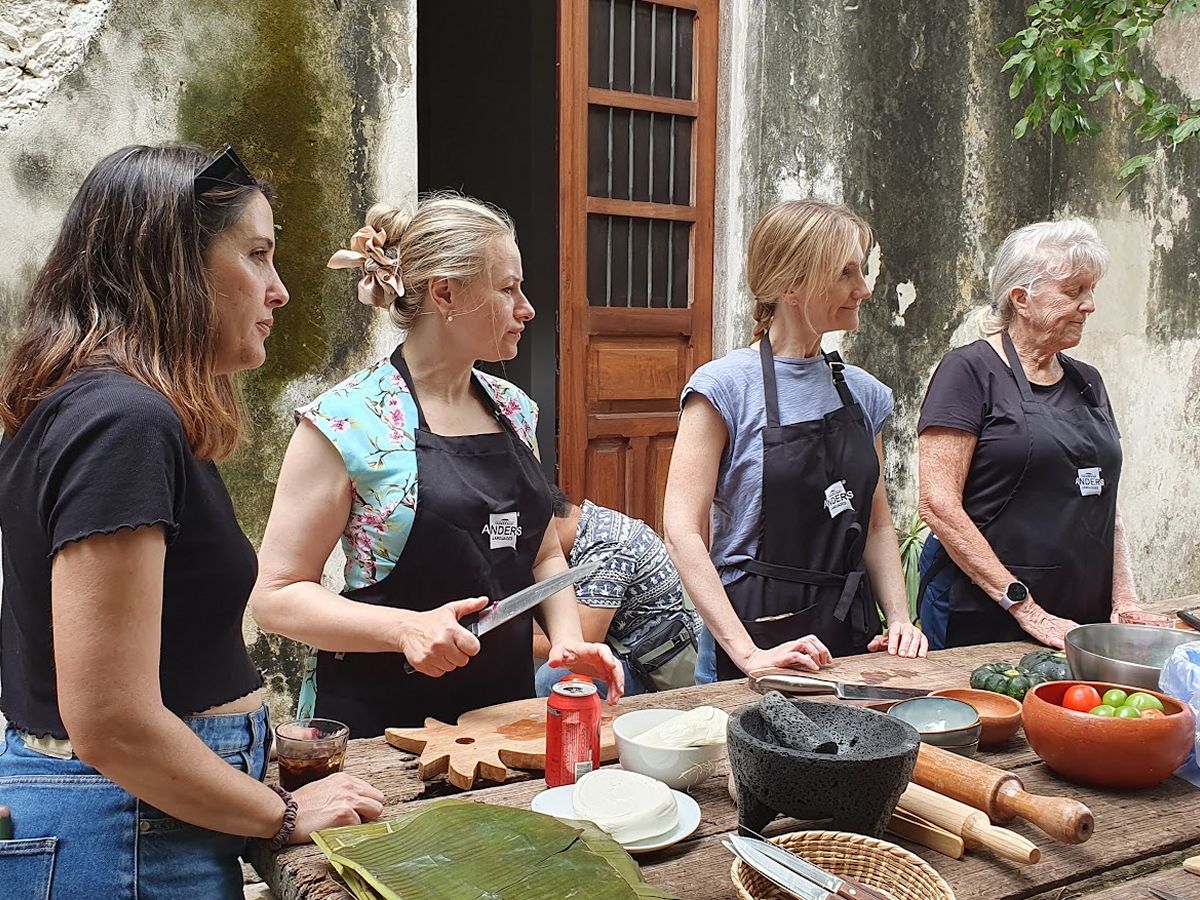
Exploring Mexican gastronomy with our Spanish instructors at ANDERS LANGUAGES in Mérida, Mexico.
Getting around
For arrivals in central Mexico, our local team can help you plan transportation in Mexico City and Cuernavaca.
Within cities:
ride-hailing services are available in many major cities. Public transportation is inexpensive, although routes and payment methods differ by destination.
Between cities:
established operators such as ADO, ETN and Primera Plus provide comfortable intercity coach service on many routes. Book ahead for weekends and holidays.
Taxis:
use a meter, agree on the fare before departure or request the vehicle through an authorized desk or app.
Driving:
renting a car is possible but often unnecessary for a short immersion. Avoid unfamiliar rural roads after dark and confirm exactly what insurance the rental agreement includes.
Weather: when to come
Mexico has several very different climate zones. As a general guide:
Central highlands, including Cuernavaca and Mexico City
Generally drier from October through May; the June–September rainy season often brings afternoon or evening showers rather than continuous rain.
Yucatán and Mérida
Warm to hot throughout the year, with somewhat milder conditions from November through February. Tropical-weather systems are most relevant during the Atlantic hurricane season, so monitor forecasts.
Pacific and Caribbean coasts
Warm beach weather is possible year-round, with humidity, rainfall and storm risk varying by season and location
Check the Servicio Meteorológico Nacional shortly before travel and before longer excursions.
Culture and courtesy
Greetings matter
Saying “buenos días” or “buenas tardes” when entering a small shop, waiting room or shared space is appreciated.
Communication can be indirect.
Listen to tone and context as well as the literal words.
Social time can be flexible.
Arriving a little late may be normal for an informal gathering, but you should still be punctual for classes, appointments and arranged transfers.
Learn “¿mande?”
In Mexico, it is a polite and very common way to ask someone to repeat what they said.
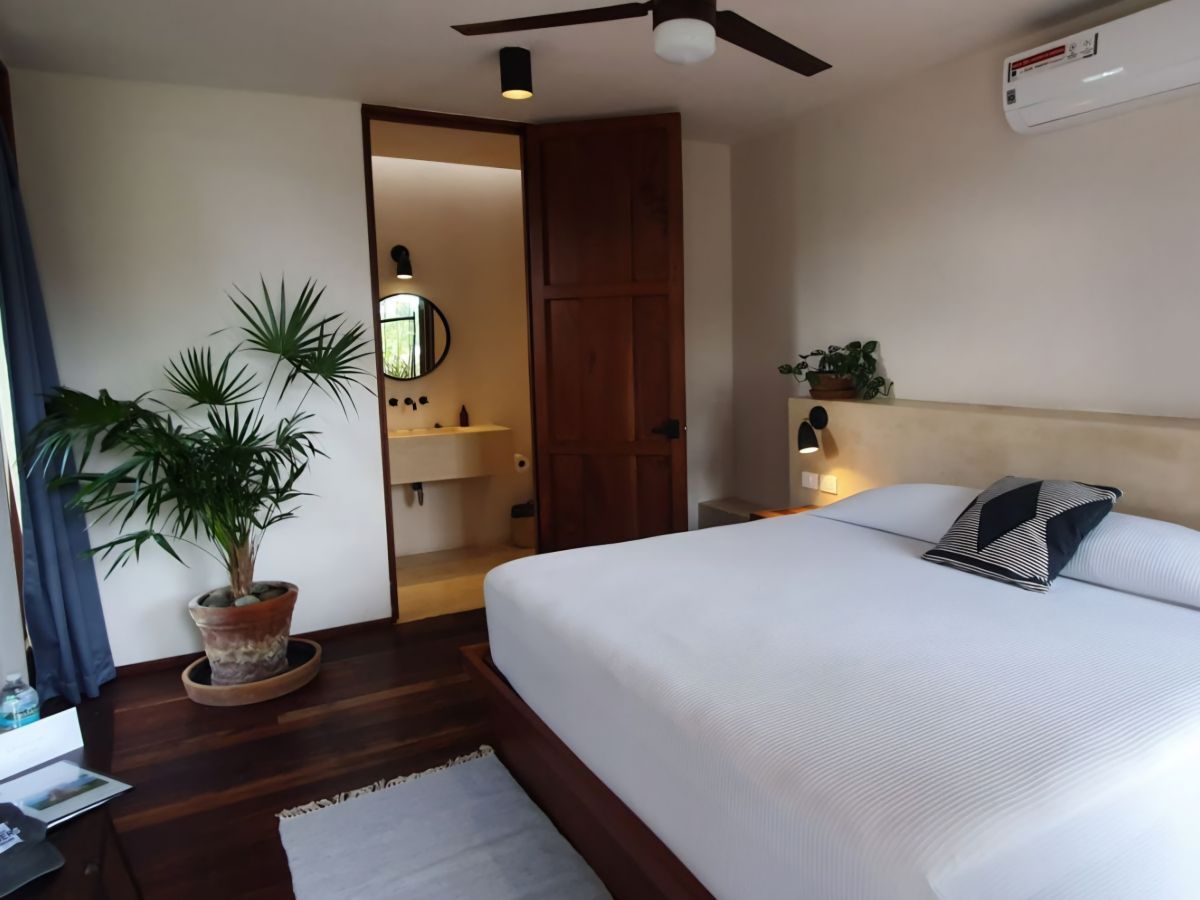
Luxury accommodation at ANDERS LANGUAGES in Mexico.
Frequently asked questions
Is Mexico safe for language students?
Many language students visit Mexico without incident, but risk is not uniform across the country. Choose suitable residential areas, follow current local guidance, use trusted transportation and take normal precautions against theft. Always check the latest official advice for the specific state and city you plan to visit.
Can I drink tap water in Mexico?
Visitors should generally drink purified, bottled or properly filtered water. Reputable accommodation, schools and restaurants normally provide purified water, and ice is generally prepared with purified water.
How much spending money do I need?
Outside your program fees, MXN 500–800 per day can be a useful planning range for modest meals, local transportation and extras. Your actual spending will depend on the destination and your preferences, and prices should be checked near your travel date.
Should I buy travel insurance?
Yes. Choose coverage appropriate to your health, planned activities and itinerary, including medical treatment, evacuation, cancellation and lost belongings where relevant. Keep the insurer’s emergency number and your policy details available offline.
Explore More
Continue planning your Spanish immersion and discover more about studying Spanish in Mexico.
Spanish Immersion in Cuernavaca
Spanish Immersion in Mérida
Cuernavaca & Morelos
Programs & Curriculum
Ready to plan your Spanish immersion in Cuernavaca?
I’m Pedro, and I’ll personally take care of your inquiry.
No two learners are alike, so every Spanish immersion experience we create is designed specifically for you.
Complete the form below, and I’ll get right to work.